Quick answer: chloramine vs chlorine comes down to stability. PUB adds ammonia to treated water so free chlorine converts into chloramine, a residual that survives the trip through the mains. Singapore’s 2025 averages were 2.27 mg/L total chlorine and 2.10 mg/L monochloramine, so most of what reaches your shower is the chloramine form, and chloramine […]
Category Archives: Water Quality & Chlorine
Singapore’s tap water is treated with chlorine to keep it safe, but that same chlorine can dry out skin, strip moisture from hair, and leave a noticeable smell in the shower. This category covers what’s actually in your water, how treatment works, and how filtration, including Suhae’s Vitae™ Vitamin C infusion, neutralises chlorine before it reaches your skin.
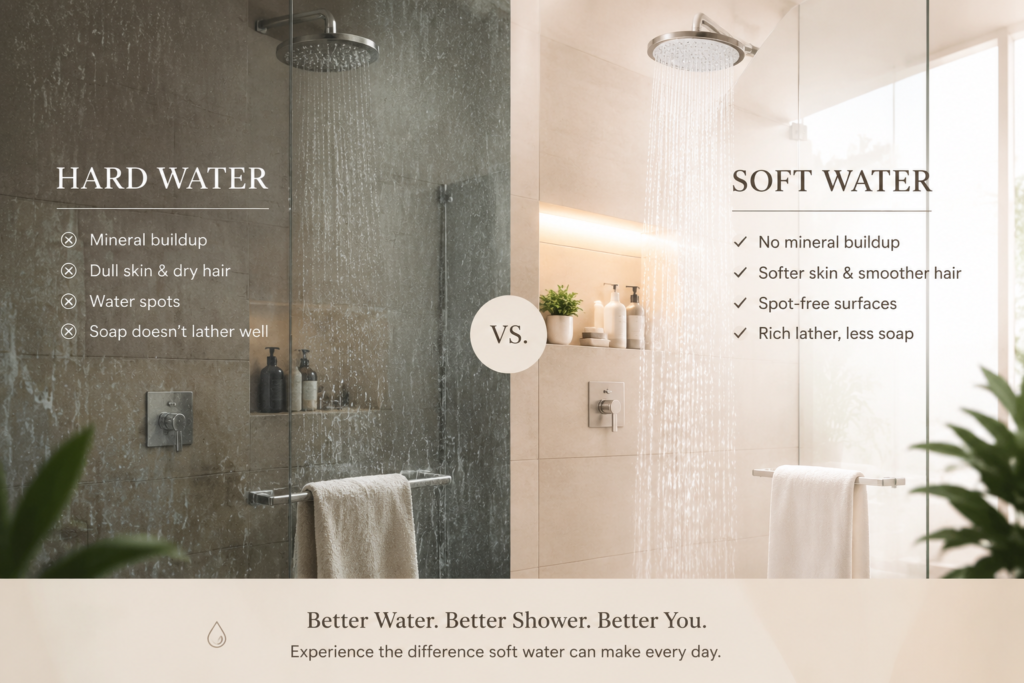
Quick answer: Is Singapore water hard or soft? It is soft. PUB’s own drinking water quality report puts average total hardness at 42.7 mg/L, which sits well inside the band normally classified as soft. So if your skin feels tight after a shower here, hardness is unlikely to be the reason. Chlorine contact time is […]
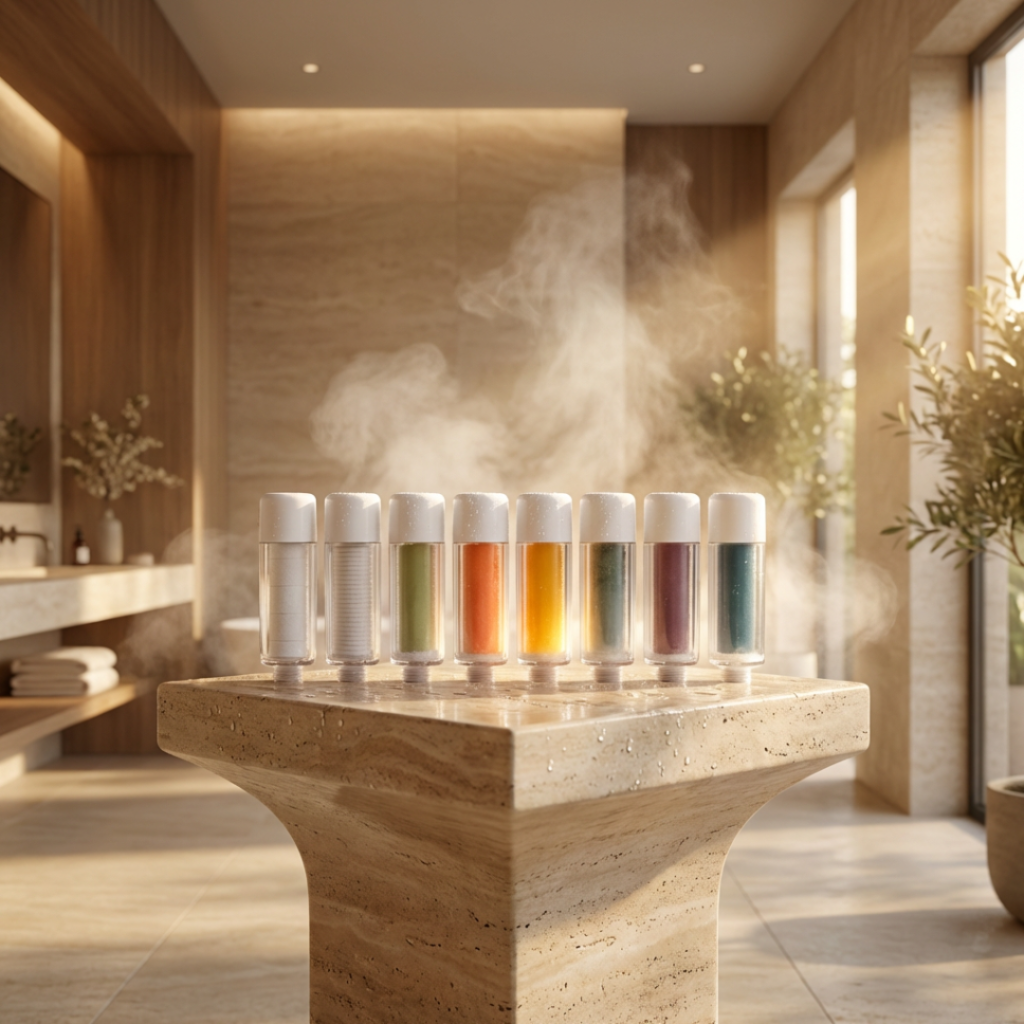
Quick answer: Shower filter ingredients come from a short list: activated carbon, copper-zinc alloy media, ceramic or mineral beads, a fine mechanical mesh, and increasingly vitamin C in the form of ascorbic acid or sodium ascorbate. All but one of those work by trapping things. Vitamin C is the exception, because it reacts with chlorine […]
Quick answer: The vitamin C shower filter Singapore households keep buying has caught on for one reason that holds up: it targets the thing PUB’s own testing confirms is at the tap, a chloramine residual averaging 2.10 mg/L. Ascorbic acid reacts with that residual on contact, which is why the format works at shower temperature […]
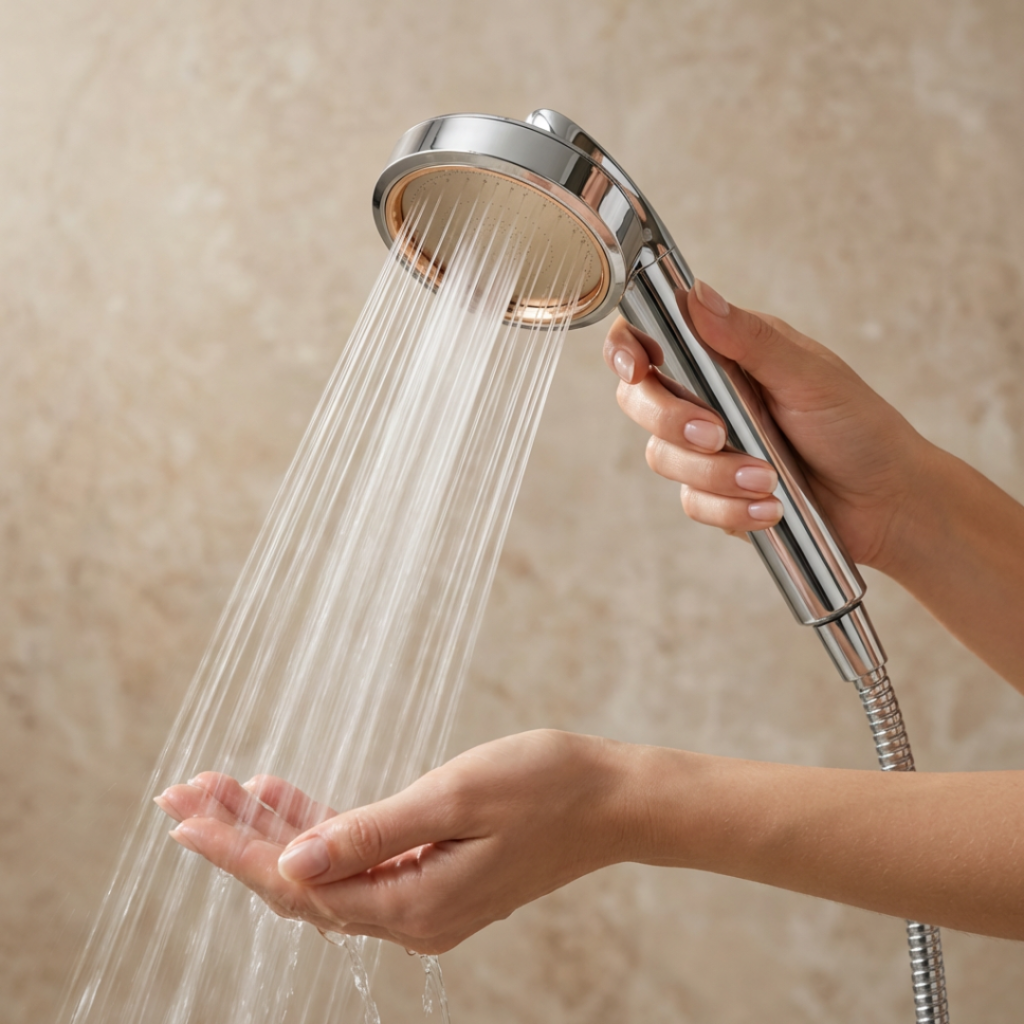
Quick answer: A shower filter in Singapore mainly reduces the residual chlorine and chloramine that PUB keeps in the supply so water stays safe on its way to your tap, along with fine sediment and rust picked up inside building pipework. It does not soften water, and it does not make safe water safe. The […]
Quick answer: Is shower water clean in Singapore? By any drinking standard, yes. It is the same supply PUB certifies as meeting WHO guidelines, tested more than 500,000 times a year. What the headline is really pointing at is narrower and less dramatic: treated water is not empty water, it carries a disinfectant residual on […]
Quick answer: The usual signs of chlorine in shower water are unglamorous and easy to blame on something else: a swimming pool smell that sharpens as the water heats, skin that feels tight within minutes of towelling off, hair that dries rough or loses tone faster than it used to, and a scalp that stays […]
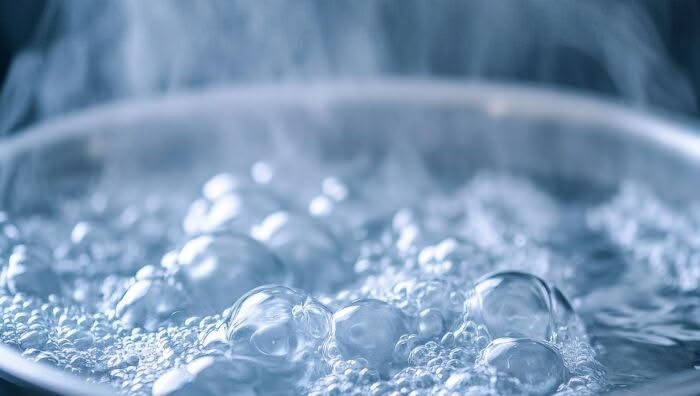
Quick answer: boiling removes free chlorine and does very little to chloramine. Free chlorine is a dissolved gas, so a sustained rolling boil carries it off. Monochloramine is built to survive exactly that, which is why water utilities use it, and a kettle that clicks off at first boil barely touches it. If a page […]
Quick answer: Shower water quality in Singapore is high by any international measure, and the surprising part is not that something is wrong with it. It is that the water arriving at your shower head carries a deliberate chloramine residual averaging 2.10 mg/L, that it is soft rather than hard, and that a drinking water […]
Quick answer: Chlorine in tap water in Singapore is not treatment left unfinished. PUB deliberately keeps a disinfectant residual in the water so it stays protected across the entire distribution network, and it stabilises that residual by adding ammonia to form chloramine. The residual is doing useful work right up to your tap, which is […]
- 1
- 2