
Water Quality & Chlorine
Does Hot Shower Water Increase Chlorine Water Exposure?
Mar
Quick answer: Yes, up to a point. Heat makes chlorine more volatile, so more of it leaves the water and enters the air of a closed bathroom, and warm water sits on softened skin for longer than cold water would. Hot shower chlorine exposure is therefore different in kind from drinking the same water, though the total quantity involved remains small.
A hot shower is one of the few reliably good parts of a Singapore evening. Nobody wants to be told to stop. The useful question is not whether to give up the heat, but what the heat is actually doing to the water while you stand in it.
The mechanism: what heat changes about chlorine
Start with what is in the water. PUB reported an average chlorine level of 2.27 mg/L for January to December 2025, within a range of 1.43 to 2.87 mg/L, and an average monochloramine level of 2.10 mg/L. Those numbers are for water at the tap, at whatever temperature it arrives.
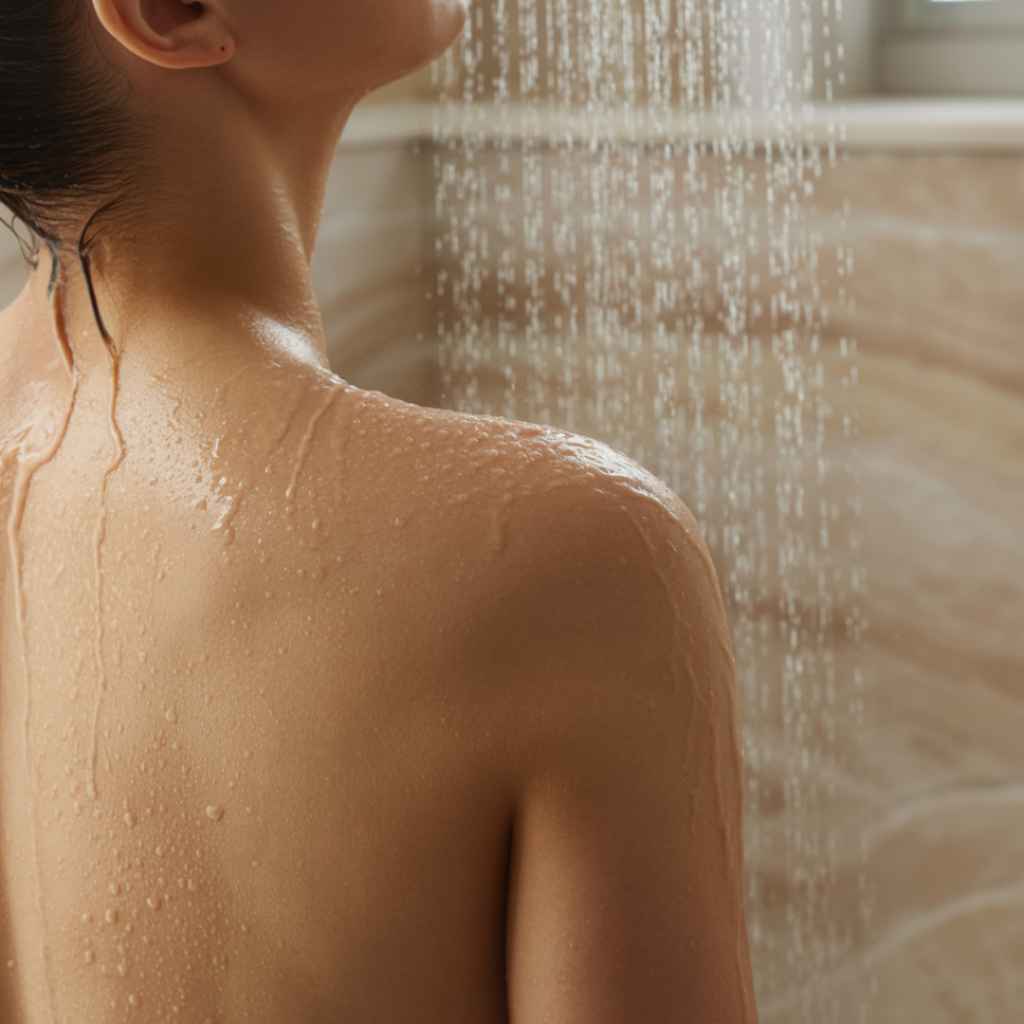
Heating changes how that residual behaves in two ways. First, gases become less soluble in water as the water warms, so a warm stream releases dissolved chlorine compounds into the air more readily than a cold one. In a small enclosed bathroom with a token ventilation slot, which describes a great many HDB and condo bathrooms, that released material does not go anywhere quickly. It is the reason the chlorine smell is usually strongest in the shower rather than at the kitchen sink.
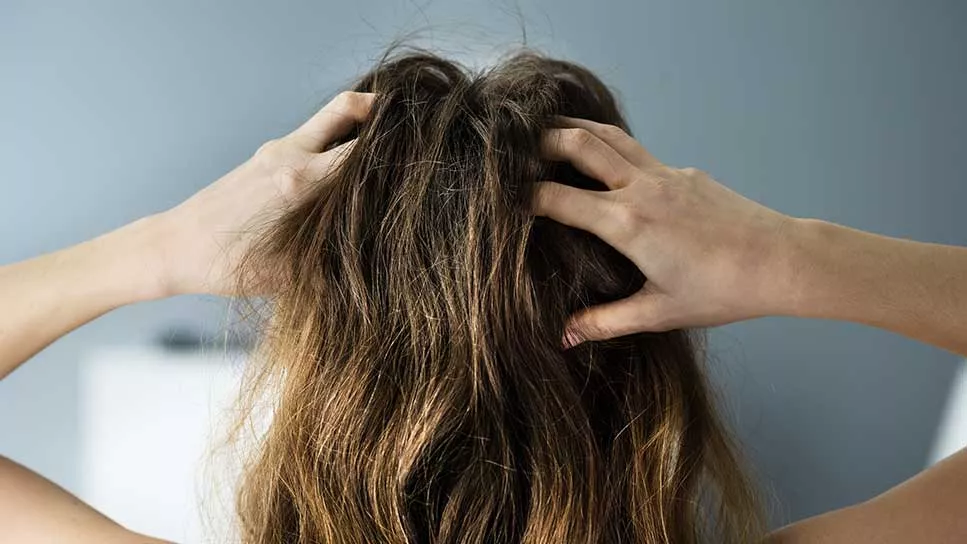
Second, warm water softens and swells the stratum corneum, the outermost layer of skin. A softened surface interacts differently with an oxidising agent than a dry one does. Add the fact that the residual is deliberately made persistent, since PUB states that “Ammonia is added to the treated water to form chloramines, a more stable chlorine residual”, and you have a compound designed to still be present at the point where it meets you. That design choice is why chlorine survives the journey from treatment plant to shower head.
Worth correcting one popular explanation while we are here. Pores do not open in hot water. They have no muscle to open with. Skin softens, which is a different mechanism and a smaller one.
The objection: this sounds like fear of a safe water supply
Fair, and worth taking seriously rather than brushing off. Singapore’s tap water meets WHO guidelines and is safe to drink unboiled. PUB runs a testing programme most countries would envy. Anyone who tells you the water is dangerous is selling something, and probably not honestly.
The narrower claim is the defensible one. Safe to drink is not the same as optimal for ten minutes of daily skin contact. Drinking water standards are built around ingestion, which is a short exposure to a small volume. A twice daily shower is a long exposure across the whole body, repeated for years. Regulation was never asked to answer that second question.
The evidence for skin effects is also thinner than most brands pretend. Seki and colleagues, in the Journal of Dermatology in 2003, found that chlorine at 1.0 and 2.0 mg/L significantly reduced stratum corneum hydration in patients with atopic dermatitis. That result belongs to that group and should not be stretched to everyone. Perkin and colleagues, writing in the Journal of Allergy and Clinical Immunology in 2016, examined water and eczema risk in infants and concluded that chlorine’s influence “remains uncertain”. Two honest sentences, neither of which supports a dramatic claim.
One more myth to retire. Singapore does not have hard water. PUB’s average total hardness was 42.7 mg/L, which classifies as soft, so anything you feel after a shower is not the limescale problem people describe in London or Sydney.
Who should care about this, and who should not
This is worth your attention if you shower hot twice a day, if your bathroom has no window and no working extractor, if skin feels tight before you have finished drying off, or if you have bleached or coloured hair that is already fragile. Parents bathing young children in warm water daily may also want to think about contact time, and the everyday signs that chlorine is affecting you are worth knowing before spending anything.
It is not worth your attention if you are seeking treatment for a diagnosed skin condition. Water filtration is a comfort measure, not a therapy, and presenting it as one would be both wrong and against the law here. See a doctor for eczema or dermatitis. Equally, if you take short lukewarm showers and your skin is fine, there is no problem to solve. Nobody needs to buy anything to justify a shower.
Practical guidance, cheapest first
Drop the temperature a few degrees. Warm rather than hot reduces both the volatility effect and the softening effect at once, and it costs nothing.
Shorten the shower. Ten minutes instead of twenty halves the contact time and the steam volume together.
Run the extractor fan, or leave the door ajar for the first minute. Ventilation is the single most neglected variable in a Singapore bathroom, and it addresses the airborne half of the problem directly. Boiling is not a shower solution, though what boiling does and does not do to chlorine is worth understanding if you also filter drinking water.
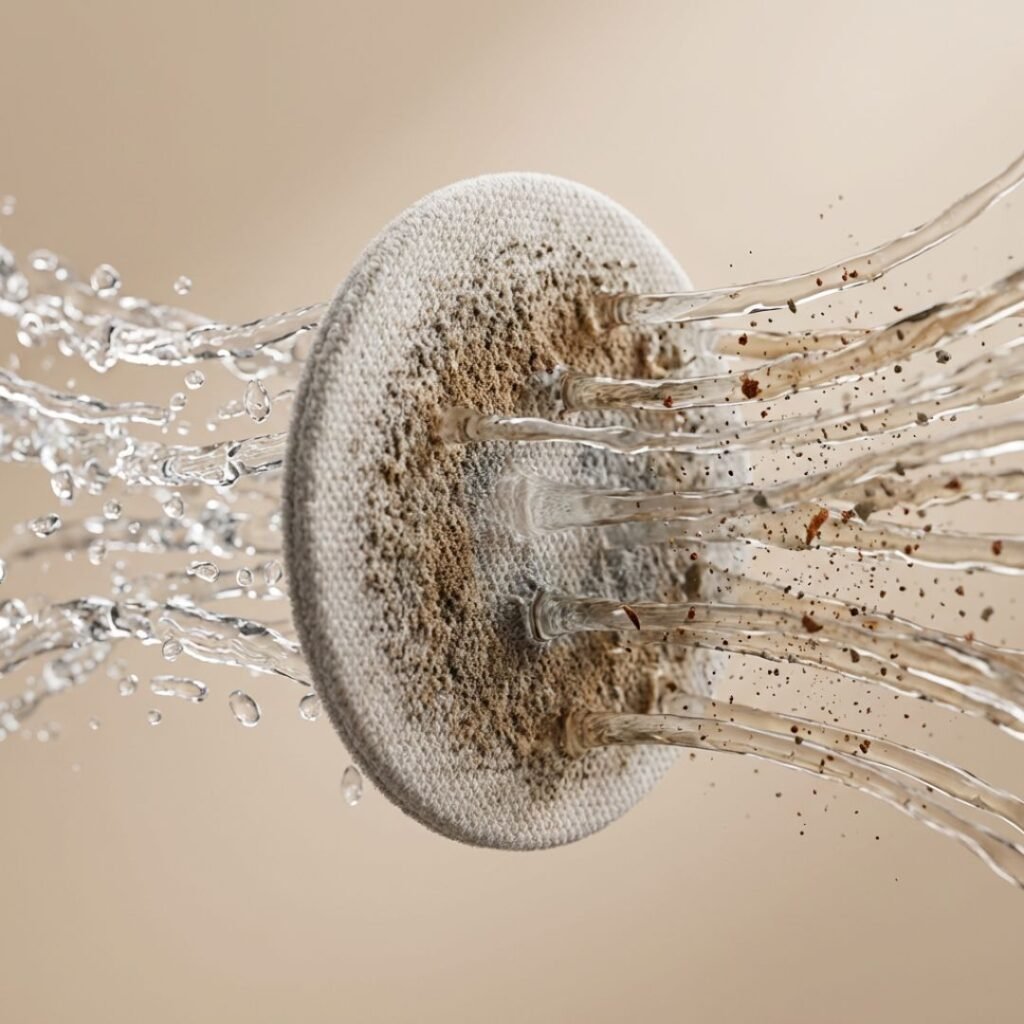
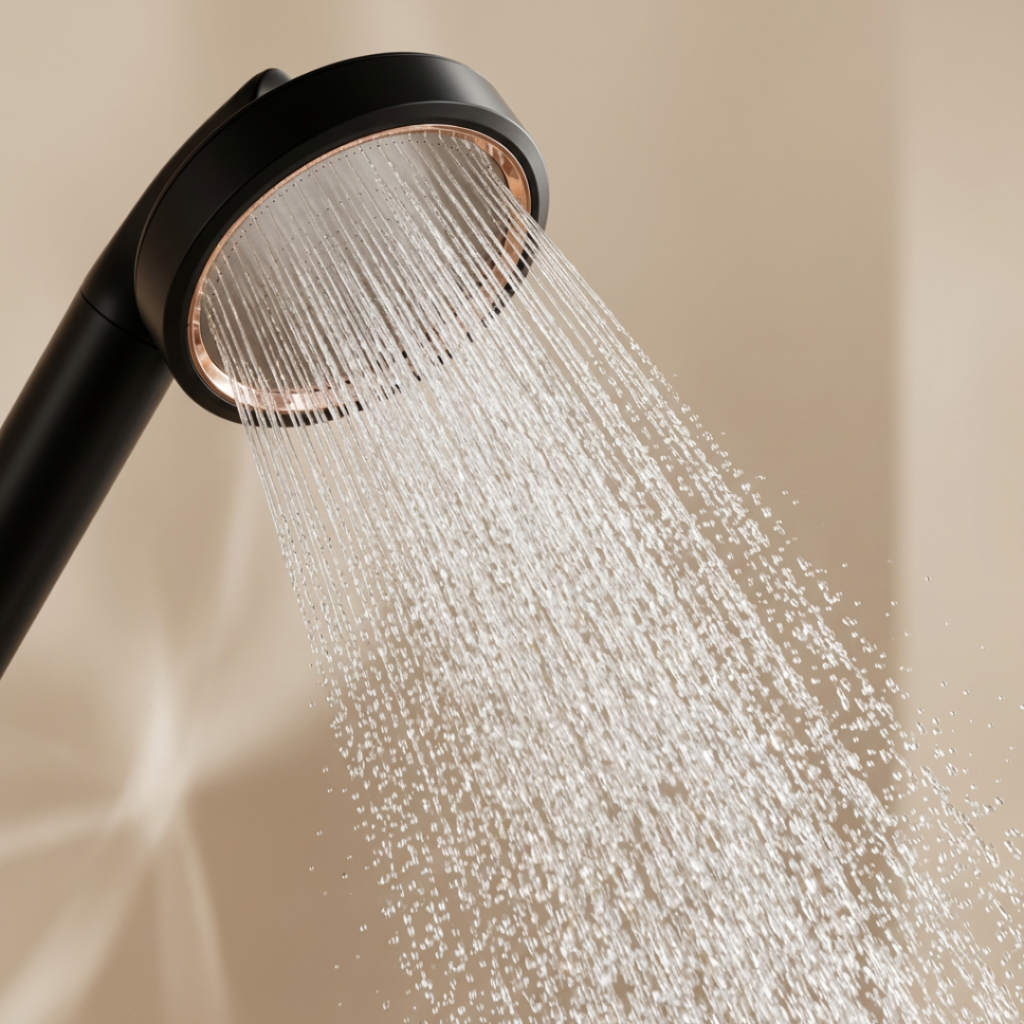
Then, if the habits are already in place and the tightness persists, treat the water at the point of use. Designed for exactly this, the Vitae Infusion cartridge holds 25,000 mg of vitamin C and helps neutralise chlorine as water passes through, converting it to chloride before it reaches skin. Each refill is S$29.90, or three for S$74.90, and one lasts about two to three months. Because ascorbic acid works as fast as it does, it remains effective at the flow rate and temperature of a real shower.
Suited to most HDB and condo bathrooms without a plumber, the handshower models that carry the vitamin C cartridge start with the Nourish at S$99 and the Radiance at S$149, with the Aura overhead at S$249. Renting, or attached to your existing shower head, a universal retrofit filter at S$49.90 does the same chemistry inline. Warranty covers functional parts only, not labour or transport.
What to expect over the first few months
In the first fortnight, the honest change is the air. The bathroom smells less like a swimming pool. Anything else this early is mostly expectation.
Across months one and two, skin renews itself roughly monthly, so that is the earliest fair point to judge post shower tightness. Change one thing at a time. By months three to six, hair has grown enough for cuticle condition to say something useful, and replacement intervals in a humid climate start to matter more than any single upgrade.
Frequently asked questions
Does a hot shower actually put more chlorine on my skin?
More of it moves into the air, and warm skin is more permeable than cold skin. Whether the net dose on skin rises depends on shower length as much as temperature.
Is inhaling shower steam harmful?
There is no basis for saying so at Singapore’s residual levels, and we will not imply otherwise. Ventilation is worth improving regardless, for humidity and mould reasons alone.
Would a cold shower solve it entirely?
No. Cold water still contains the residual. It simply releases less of it into the air.
Why does my skin feel tighter here than it did overseas?
Frequency, mostly. Two showers a day in a tropical climate is a lot of contact time. Water chemistry differs between cities too, which is worth reading about specifically for Singapore.
Do filters work less well with hot water?
Some carbon media lose efficiency as temperature rises. A vitamin C reaction is chemical rather than adsorptive, so it is less sensitive to the difference.
Does a SUHAE filter remove all the chlorine from a hot shower?
It removes 99.9% of chlorine. The vitamin C does that inside the cartridge, before the water reaches you.
References
- PUB, Singapore Drinking Water Quality, January to December 2025
- PUB, Water Treatment
- Seki T et al., Journal of Dermatology, 2003 (PMID 12692355)
- Perkin MR et al., Journal of Allergy and Clinical Immunology, 2016 (PMID 27241890)
If you would rather keep the hot shower and change the water instead, the handshower range is the place to start, and the Nourish is the least expensive way to test whether the difference is real for you. Ask us anything about fitting it in an older bathroom at admin@suhae.sg or +65 8988 1336.
